
Preventing Dementia
Preventing Dementia 
It all started with minor slips you easily dismissed as "senior moments." You forgot your keys. You called someone by the wrong name. The word you were looking for was on the tip of your tongue, but you couldn't quite grasp it. You don't feel any older, but you do feel yourself changing. Researchers agree this could be a sign of something more serious.
A study published in the British Medical Journal of January 2012 has concluded that age-related cognitive decline begins much earlier than expected: by our mid-40s. Even more distressing, this decline can progress at very unpredictable rates. Scientists have identified that acetylcholine, a key neurotransmitter, is responsible for forming new connections and strengthening neural pathways in the brain. In other words, it keeps your mind sharp. However, persistently low levels of this key neurotransmitter places you at risk. Without healthy levels of acetylcholine, the brain can physically shrink; at which point, the damage can be very difficult to repair.
And yet, we all know people of advanced age who seem immune to this cognitive decline. These so-called superagers retain high mental acuity well into their later years. Scientists have determined that superagers minds' function with high levels of acetylcholine. Therefore, their minds have stronger and more numerous neural connections. This creates the ideal environment for a steel-trap memory. Unfortunately, for most of us, levels of acetylcholine decrease as we age and rapidly so after age 45.
But it's not just our age that is to blame. Like a muscle, your brain needs constant exercise to stay in shape. Modern society deprives us of essential mental exercise.
Before the written word became accessible and affordable, oral history was the only way to spread culture to younger generations. As a result, a strong memory was an essential part of everyday life. For example, ancient Greek poets would memorize and recite entire epic poems that were thousands of lines long. Because of the demands society placed on their brains, these individuals engaged in rigorous daily mental exercise. They did not have telephones, TVs, and computers distracting their attention and distorting the ways in which their brains processed information. This kind of singular focus required optimal levels of acetylcholine.
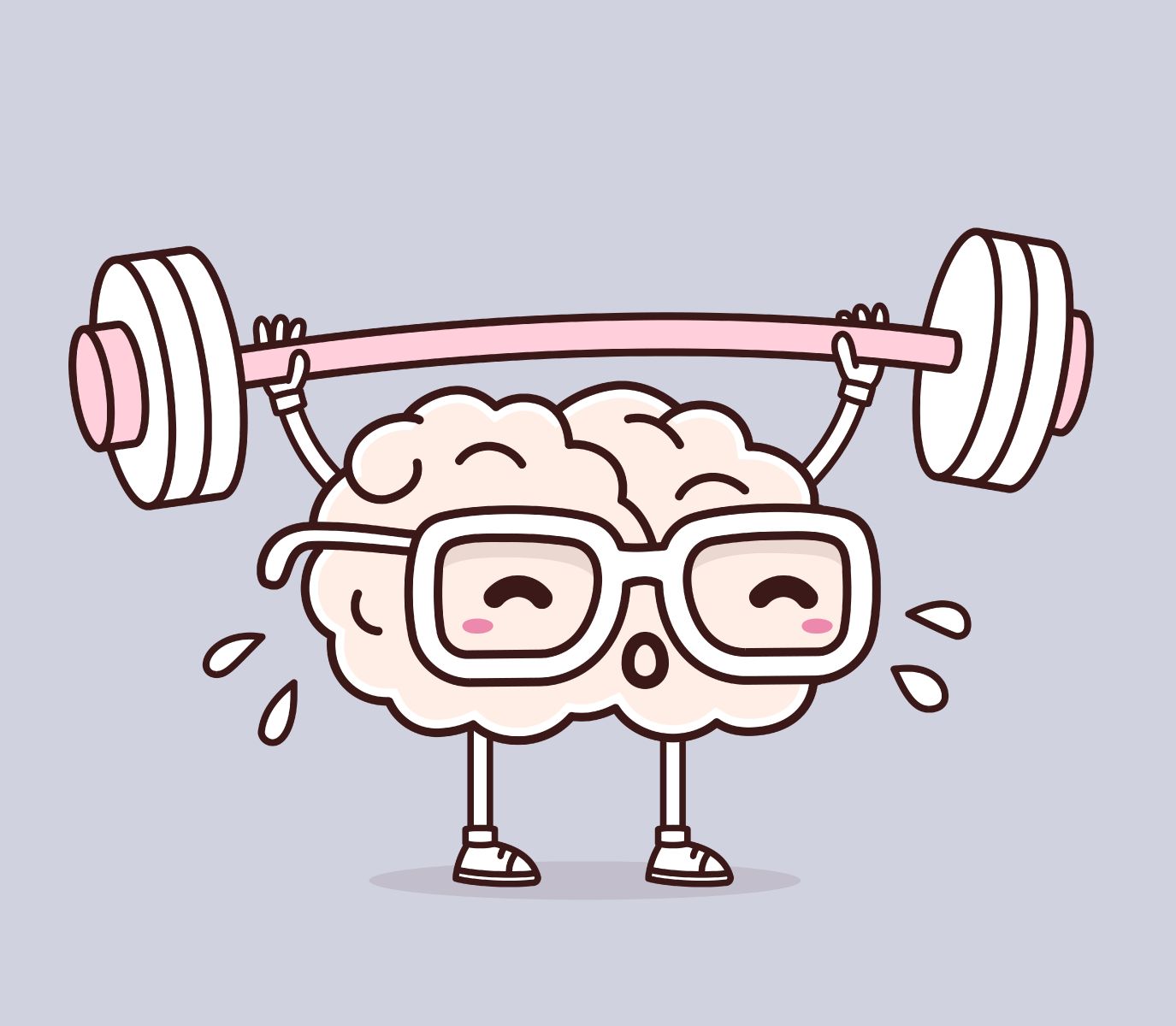
Modern technology denies crucial exercise to certain areas of our brains in two important ways, causing it to atrophy over time. We are exposed to numerous sources of stimulation which constantly disrupt our production of acetylcholine. Likewise, we no longer need to remember phone numbers, addresses, dates, or even basic navigation because our phones have replaced our memories. Both of these factors train your mind to forget and place you at risk for earlier onset of cognitive decline.
In good news, new research says you don't need to throw away your smartphone, cancel your Netflix subscription, or quit your job to turn back the clock on age-related cognitive decline. A team of researchers in a GMP-certified laboratory in New York has identified 5 compounds that can naturally restore optimal levels of acetylcholine. They are Alpha GPC, Huperzine A, Bacopa Monnieri, Lion's Mane Mushroom, and Ginkgo Biloba. Better yet, clinically-backed by scientific research, these natural compounds do not contain exotic, unproven chemicals derived from marine life.
Related Posts

Plant Remedies for Healthy Eyes That Make Sense

How to Support Joint Flexibility Naturally

Herbal Supplement Safety for Everyday Wellness

Organic Herbs for Lymph Flow: A Gentle Guide

Can Herbs Affect Prescription Medicines Safely?

What Is Whole Herb Powder? A Clear Guide

Herbal Supplements Versus Medications Explained
